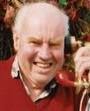
A Private Collection of Museum items, that Seamus collected over the years was on display and opened to the general public up to the end of the summer of 2015.
The Nore Folk museum played host on Sunday to the South East Honda Fifty
Club from Wexford and several of their impeccably preserved vintage bikes.
Ten members of the Club set off for the renowned museum in scenic
Bennettsbridge after enjoying a hearty breakfast at Doyle’s pub in Bagnelstown.
Bikes that once were commonplace on our roads but have almost disappeared from twenty first century Ireland made a heart-stopping comeback as they rolled up Cannon Hill and through the open gateway into the grounds of the museum.
The bikes were in good company there…resting alongside 1930's iron wheeled
tractors, 1950's phone booths, 19th century open fireplaces, cannons from the
days of Cromwell, agricultural implements, and assorted other relics of an
Ireland lost in the mists of time. And these were just the items on show
OUTSIDE the museum.
Inside, the Honda Fifty Club visitors felt drawn to ancient petrol pumps of the kind that might once have kept the Honda's tanked up. The replica 1920's pub also fixated them, with its atmospheric insight into pre-smoking ban days and a time when even Honda Fifties had not been heard of.
Pat Leacy on behalf of the Club said he had never in his life seen a museum
like it. He enthused: “We were simply amazed and dumbstruck at the scope
and nature of Seamus’s collection.
Honda 50 Club
members Bernard Bryon
and Brendan Morgan posing in the replica 1920s “pub” at the museum.
"We all have our memories of growing up in Ireland and to see items which were an integral feature of our daily lives all those years ago was a unique experience.
Seamus is such a mine of information and knowledge about all aspects of Irish life and antiquities.We were transported to another world, a different Ireland, when we listened to his stories and anecdotes concerning the exhibits.
"The museum is more than a collection. It’s a receptacle of memories and
treasures…an absolutely wonderful resource. We all agreed that this was the best place
we had visited in the course of our many bike tours and we intend to return later
in the year. And Seamus welcomed us like kings. He’s a one man tourist board and I can’t
speak highly enough of him.”
The curator laid on a special treat for the bikers. Tables with attached
parasols were laid in the grounds of the museum and the visitors had
themselves a pleasant snack with Seamus in the shadow of the Blackstairs
Mountains.
Curator
Seamus Lawlor has acquired
the roll book of Danesfort National School covering
the years 1913 to 1920. It is in excellent condition, having been lovingly
preserved for decades by the O’ Shea family in Danesfort, who have now kindly donated it to the museum.
The school
itself was a two room building located beside Saint Michael’s Church in the
village. It was built in 1836 and continued to meet the educational needs of the
district until its closure in 1988, when the present school replaced it
following a brilliantly organised and well supported community fund raising
initiative.
Seamus showed me the pages of the roll book, where
appear the names of local children, all of whom, he remarked sadly, have since
passed to their eternal reward. Included among the entries are Seamus’s own parents, James Lawlor
and Bridget Corcoran. The attendance
records for all the children recorded, as well as other information and comments
pencilled in by the teachers are clearly legible. Also listed are the teachers
of the period: Annie Wall and Brigid M. Hogan.
Seamus expects a flood of inquiries about the roll
book once it goes on public display at the museum from this week.
He
explained: “The descendents of the people who attended the school and whose
names appear in the roll book can be found not just in the Dansfort area, but naturally, all over Ireland and beyond
our shores because of course a percentage of the school-goers or their offspring
would have emigrated. I plan to have information on the roll book publicised on
the internet with this in mind.
“This is a
precious resource. Each name recorded is a treasure, a human being who once trod
this earth and walked miles through hail rain and snow, in all seasons, in many
cases barefoot, to avail of an education that in those days was never taken for
granted. The period covered...1913 to 1920, was a tumultuous one in Ireland. It
took in World War One, the 1916 rising, and the war of independence.
“The
parents of the children who attended Danesfort
national school would have been affected to a greater or lesser extent by those
national upheavals. The children’s lives, though, would have been dominated by
their daily trek to the school and their learning
experience.
“And
learning didn’t come easy to those good people. Corporal punishment was in vogue
back then and it hung like a cloud over any boy or girl who arrived late for
school or fell behind in class. The rod was applied liberally and none of the
children ever forgot the sting of it in later years. Thankfully, they all
benefited from their lessons and went on to become the backbone of the thriving
Danesfort community. People are
invited to view the roll book at the museum.
Seamus showing an old writing slate that was once used in classroms all over
Ireland.
Subscribe to:
Posts (Atom)